What Is a Lead — Really? (And Why Every Business Depends on It)
Posted On 01 Mar 2026
If you’ve entered business or sales recently, you’ve probably heard this word everywhere:
“Leads.”
-
“How many leads do you have?”
-
“We need more leads.”
-
“That company sells leads.”
But pause for a moment.
What is a lead — really?
Not the technical definition.
Not the marketing jargon.
The real meaning.
Let’s clear the confusion.
The Simplest Definition First
A lead is:
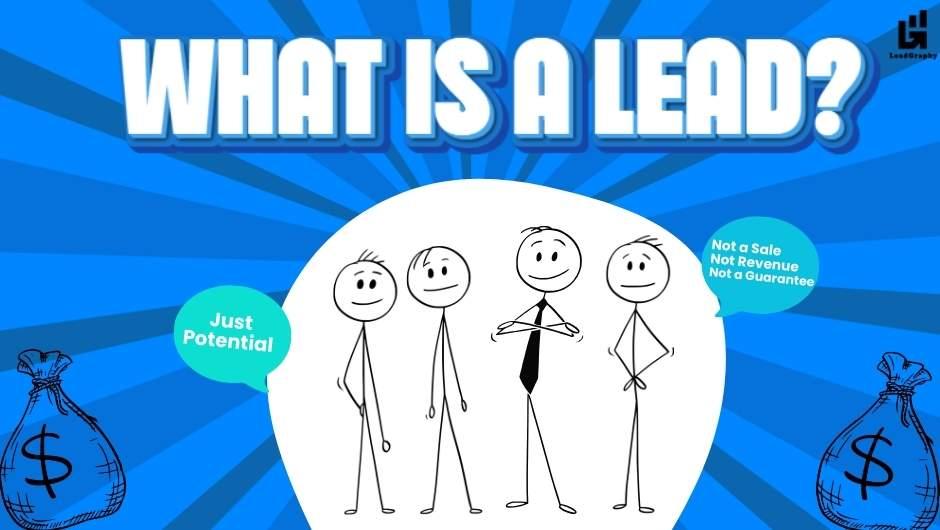
A person or business that has the potential to become your customer.
That’s it.
Not a sale.
Not revenue.
Not a guarantee.
Just potential.
And that single word — potential — is what businesses are built on.
Why People Misunderstand Leads
Many beginners think:
-
A lead means instant business
-
A lead should convert quickly
-
If it doesn’t convert, it’s “bad”
This misunderstanding creates frustration.
But here’s the truth:
A lead is not a result.
It is the beginning of a relationship.
Just like you don’t become friends with someone the first time you meet them,
you don’t close customers the first time you contact them.
A Lead Is Attention
Before someone buys from you, three things must happen:
-
They must know you exist
-
They must understand what you offer
-
They must trust you enough to consider it
A lead represents the opportunity for these three things to happen.
In simple terms:
A lead is attention directed toward your business.
And attention is the first currency of marketing.
Every Business Runs on Leads (Even If They Don’t Use the Word)
Think about this:
-
A local grocery store depends on walk-in customers
-
A freelancer depends on inquiries
-
A start-up depends on demo requests
-
A corporate company depends on business contacts
They may not call them “leads.”
But they are all forms of leads.
No leads = no conversations
No conversations = no customers
No customers = no business
It’s that direct.
The Difference Between a Lead and a Customer
This distinction is critical.
| Lead | Customer |
|---|---|
| Potential | Confirmed |
| Interest stage | Decision stage |
| Exploring | Buying |
| Uncertain | Committed |
Confusing the two causes unnecessary pressure.
When you treat leads like customers, you rush them.
When you treat leads like potential relationships, you nurture them.
And nurturing wins in the long run.
Why Leads Matter More Than Products in the Early Stage
Many new founders focus entirely on improving their product.
But ask this:
What is the use of a great product
if no one is discovering it?
You can refine features forever.
But without leads:
-
No feedback comes in
-
No market validation happens
-
No revenue flows
Leads are the bridge between your idea and reality.
Not All Leads Are Equal — And That’s Normal
Some leads:
-
Are curious
-
Are researching
-
Are comparing
-
Are ready
That doesn’t make one good and the other bad.
It simply means people are at different stages.
Understanding this removes disappointment.
Leads Are Not Numbers — They Are People
This is where many businesses lose perspective.
A lead is not:
-
A data entry
-
A spreadsheet row
-
A contact list
A lead is a human decision-maker with:
-
Concerns
-
Priorities
-
Timing
-
Doubts
When you remember this, your approach changes.
And better conversations follow.
The Real Reason Every Business Depends on Leads
Here is the deeper truth:
A business does not grow because of ideas.
It grows because of interactions.
And leads are the starting point of interaction.
Without a steady flow of new potential customers:
-
Growth slows
-
Revenue becomes unstable
-
Dependence on existing clients increases
Healthy businesses always maintain a flow of leads.
Not because they are desperate.
But because they are disciplined.
A Fresh Way to Think About Leads
Instead of asking:
“How many leads do I have?”
Start asking:
“How many new opportunities for conversation do I have?”
That small shift changes everything.
Because business is built on conversations.
And conversations begin with leads.
Final Thought
Leads are not magic.
They are not shortcuts.
They are the starting line.
Every successful company you see today once began with:
One lead.
One conversation.
One opportunity.
Understand leads properly,
and you understand the foundation of marketing itself.
Recent Blogs
Why Your Product Isn’t the Problem — Your Outreach...
If you’re a new founder or running a small start-up, chan...
17 Feb 2026